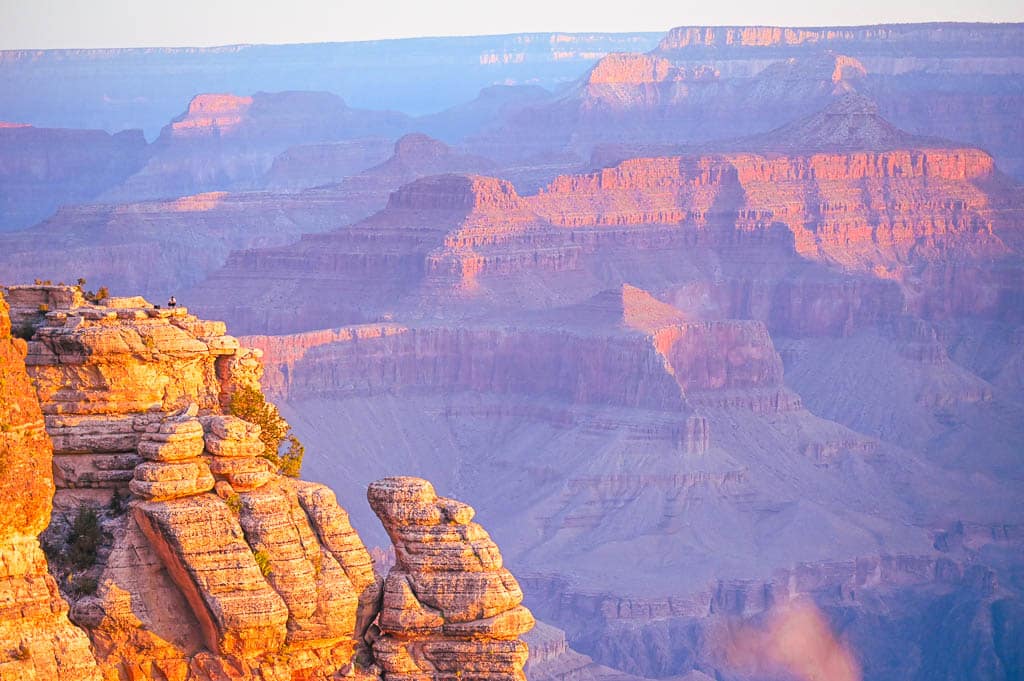
About this blog: Best time to visit Grand Canyon National Park for hiking the Rim to Rim or Bright Angel, North Kaibab trails. Even if you are not going to hike, at least this blog gives you an idea where to stay for the days when you see the ancient canyon and get some stunning shots of the nature’s vistas. While the sunny summer months at Grand Canyon can witness punishing sun, harsh winter months brings in gushing winds. It is important to time your visit to the Canyon, not just for the ease of access or hiking, but also for stunning photographs.
90% of Grand canyon is designated at wilderness, meaning you need guided assistance to hike the trails. The easiest way to explore grand canyon is to visit the South Rim, as a first timer, where access is not weather dependent. You need to account for thunderstorm, hail and snow and sunshine before planning a grand canyon trip. Both the rims, South and North brings in different experiences in different seasons. This blog aims to help the travelers with informed choice.
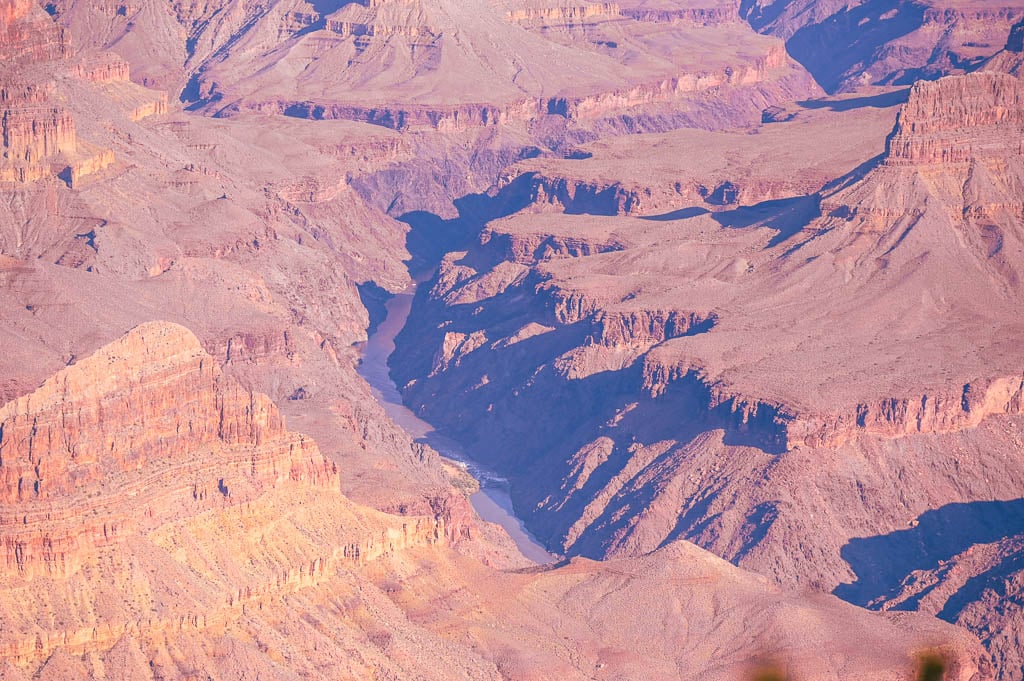
Grand Canyon South Rim & North Rim- contrast in similarity
While most people visits the South Rim of Grand Canyon, especially as a first time visitor and someone willing to hike down the canyon, the remote North Rim allures more seasoned travelers.
North Rim of Grand Canyon is truly wild, with only a handful of facilities around, facilitating striking dramatic views from a higher elevation of 8000 feet. The North Rim is usually open for a short period from May to October. A photographer’s delight, the sunset views from Cape Royal on Walhalla Plateau is otherworldly. On a good summer day, you can ascend the top of Point Imperial towering over the whole of Grand Canyon. Many opt to go down the Canyon following North Kaibab trail, hoping to meet the elusive Kaibab squirrel.
Located at a driving distance of 5 hours from South Rim, North Rim is far less accessible to regular tourists. Thus, infrastructure is sparse.
The South Rim is home to an all year round Canyon expedition, with an array of experiences. From Tourist shuttle bus, to horse back sunset rides to rim trail or rim to rim hike, South Rim of Grand Canyon is a traveler’s delight! You could be a seasoned one or a first time visitor to the wonder of the world!
The South rim of Grand Canyon is well connected to cities like Phoenix or Las Vegas. Day trips by Bus is frequent.
You start to explore at Mather Point, then proceed towards Ooh Ah point, Yavapai Lodge, drive via Desert View road and eventually end up at page for the canyon trails. Hikers attempt the Bright Angel Trail. The South of Grand Canyon is always busy, sunshine or snow!
My Visit to Grand Canyon in July
My first visit to the Grand Canyon was in July. If I could redo it, I would visit the canyon during spring in North America. I would also like to see the Grand Canyon covered with fresh snow which is a possibility in later January.
In July, during a national holiday weekend, the national park was filled to the brink with tourists from all over the world. Mather point had a bunch of tourists during Sunrise.
We hopped onto the shuttle bus and stopped at the points right at the beginning of the day, hence we did not have to stand in queue for the shuttle bus, which was a thing later in the day as we made way towards the hotel .
We came back after a while, and headed to Page. Stopped at a bunch of viewing spots and looked into the canyon with awe with other visitors and their grandma!
Yes, it was crowded.
Did I mind? No. It was my first visit. But I would not have appreciated if I had to wait for the shuttle bus with the same audience and their grandmothers!
Besides, Grand Canyon was sunlit and warm during day time in July. Nothing uncomfortable, but it sure was a hot thing! Had I have planned for the long hikes in the Canyon, I would have definitely chosed to go during the Spring Months in Grand Canyon.
Spring Months at Grand Canyon National Park
April- May
Spring months are ideal to Visit the Grand Canyon, and hike to see the tri-coloured wildflower bloom of the canyon, Brittlebush, Redbud and Octotillo.
Early spring is a good time to avoid the crowds, except spring break!
By the middle of May, North Rim opens. As of 2026, North rim of the Grand canyon operates with much lesser infrastructure. If you seek remote adventures, the North Canyon is your best bait.
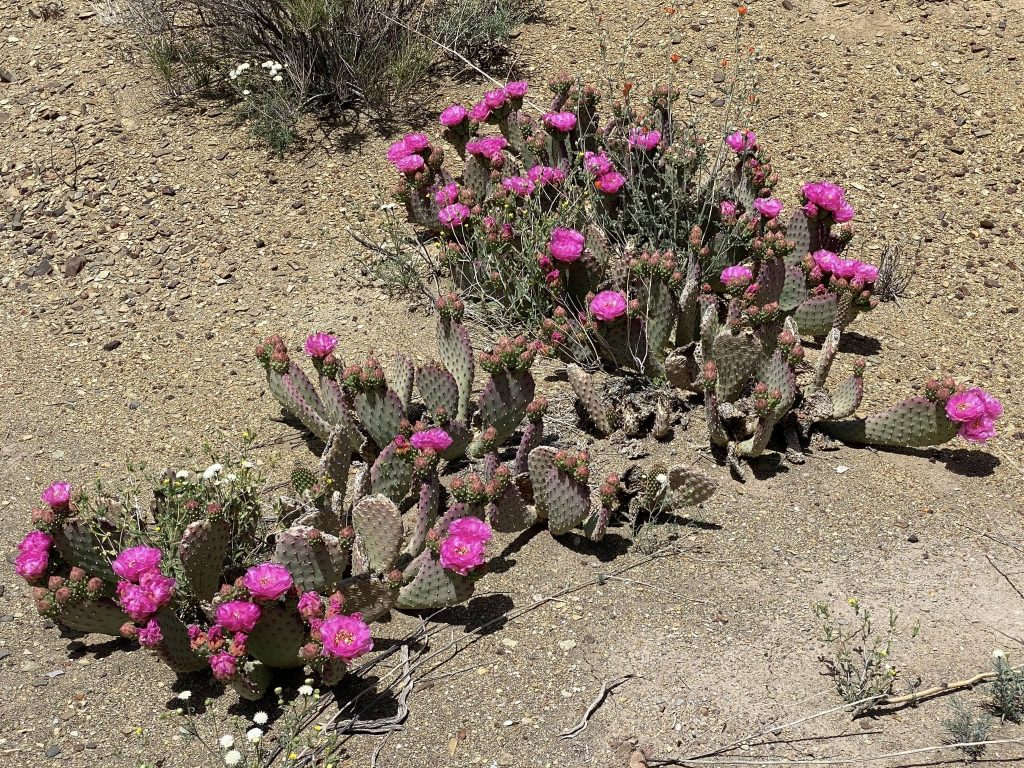
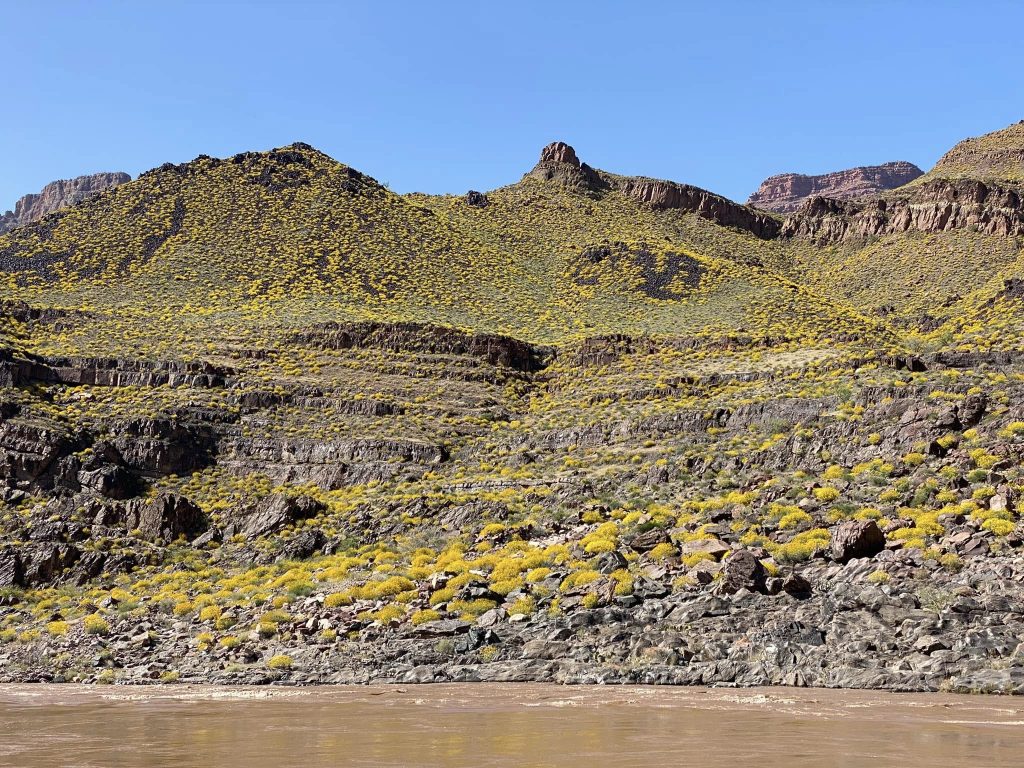
You may find yourself on a rainy night near grand Canyon, and wake up to see all the desert plants have decked up in flowers the next morning. It is incredible to note the resilience of the plants in this harsh condition.
Spring is ideally the perfect hiking temperature with the inner canyon slowly warming up and the rim being still cold. Snow from the Rockies melts into Colorado with water gushing in from the mountains to the canyon.
Photographers love spring in Grand Canyon. The canyon bed is filled with mist. The dramatic cliffs otherwise rich in iron ore and red, show striking cloudscape and colour play.
In early spring, it can still snow a little but mostly temperature would be cool and conducive to long hikes.
Summer Months at the Grand Canyon National Park
June- August
Summer months in Grand Canyon are the best time to visit despite high temperature and harsh sun. The temperature at the rim is generally colder than the interiors.
If you hike down the canyon in summer months, please note temperature rises as you drop from the face of the Earth. Sometimes it reaches 50C. Unless you are an experienced hiker, it may not be safe to hike down the canyon during extreme summer months.
The long hours of sunlight, frequent shittle bus, hordes of tourists make it look rather easy and occupied.
If you do not want to hike during the summer months, it is not going to be stressful at all. except for the crowd.
If you are visiting during summer months and seek quiet, please go to the North Rim. Be sure to book hotels from a while ago.
The Grand Canyon during Monsoon
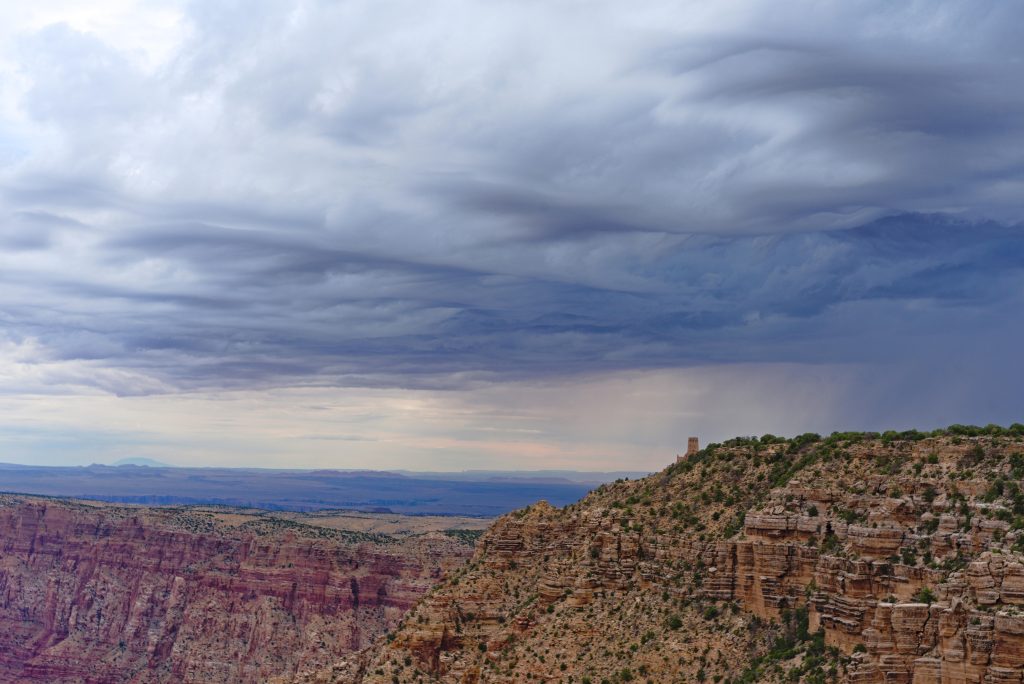
From late July to August, The Grand Canyon experiences sudden sparse rainfall. While the rains do not last forever, it brings in dense threatening cloud. It also raises chances of flooding, which is a serious threat across canyonlands. Thunderstorms almost always happens during afternoon. The trails could be dangerous with loose earth.
However, monsoon ere is sparse, like we are talking about a handful of days only. Please read the weather prediction map and avoid those days for longer hikes.
If you plan to club a trip to Antelope canyons during the monsoon, please beware of the associated risks. We have seen water gushing through the pretty canyons otherwise lit by warm sunrays. A watering canyon might turn out to be life threatening!
Fall Months at Grand Canyon National Park
September- October
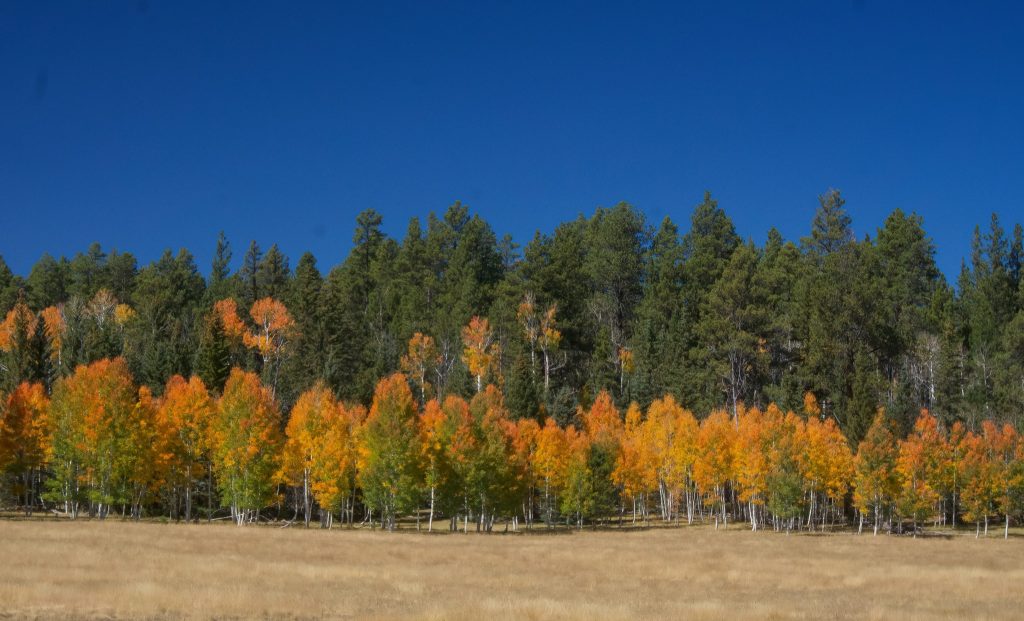
By the middle of September, they close down access to the north rim of Grand Canyon. Try to catch the specter of fall foliage before that. the North rim of Grand Canyon is the best place to experience all foliage in the region in all their glory.
Right after labor day, the crowd starts to dwindle down. Yet, this is one of the best time to visit the Grand Canyon. The second week of October is the best time to visit Grand Canyon if you want to witness the fall color.
Due to excess of iron in the Earth, the canyon usually appears in various hues of red. Picture bright yellow Aspens in a sharp contrast to evergreen pines. Cottonwoods and maple stand in celebration along the trails.
Besides, October and November are good months with cooler temperature to hike down the canyon.
Winter Months at the Grand Canyon National Park
November- March
Staring from thanksgiving, it may get snowy and cloudy and cold at the Canyon. However winter at the Grand Canyon are not terrible unless it is not storming.
In the winter, it is not possible to visit the North Rim of the Grand Canyon.
February is a favored month amongst seasoned hikers to go down the bed of the Grand canyon. For a hiker, winter is even a favored month for the rim to rim trail, as day light is shorter, giving you a SafetyNet from the harsh sun and extreme weather.
Shoulder season Grand Canyon National Park
Early June, late Sept
While Grand Canyon tourist season lasts from summer through Fall, spanning several month between late May to September, it is always wise to time your trip around the typical tourist season.
This way, you do not pay the high price of the busy stage, yet enjoy long day light and favorable weather condition. If you are not keen on hikes, consider the monsoon months of July August for dramatic cloud formation. Thus, scoring prized photographs.
Even in the peak season, the North rim is far less crowded that the South Rim. If you value quiet and peace, the North Rim of the rand Canyon is still a winner, however account for 5 hours extra drive time one way to reach there. Needless to say, you must book accommodation prior to your visit.
Dense fog and possible flood warning at the canyonlands!
What are the best months to do Rim to Rim Hike at Grand Canyon National Park
Many suggest February is the best time to reach the bottom of the canyon. Even though it is cold at the rim, the earth starts to grow colder as you descend inside the canyon.
I had read a bunch of online review complaining about the hike to the bottom of the Grand Canyon being extremely hot, and warm. It is only warm at the bottom. I mean it is only warm worth complaining at the bottom, so you are best to avoid the summer months. But fall season, or even deep of the winter with crampon powered gears should be a good time to do the bucket list rim to rim hike of Grand Canyon.
A first time visitor may only indulge in a few day day hikes in the Grand Canyon, be it Bright Angel or Cedar creek. They might be steep and immersive but nowhere close to what the actual Rim to Rim hike is, which is a pilgrimage of its own.
_________________________________________________________________________________________________
Let’s stay connected on Facebook, Instagram, Twitter, Youtube!
This post may contain affiliate links. Please read the disclosure post. If you have liked the article, you may support it by buying using these links without any extra cost to you.