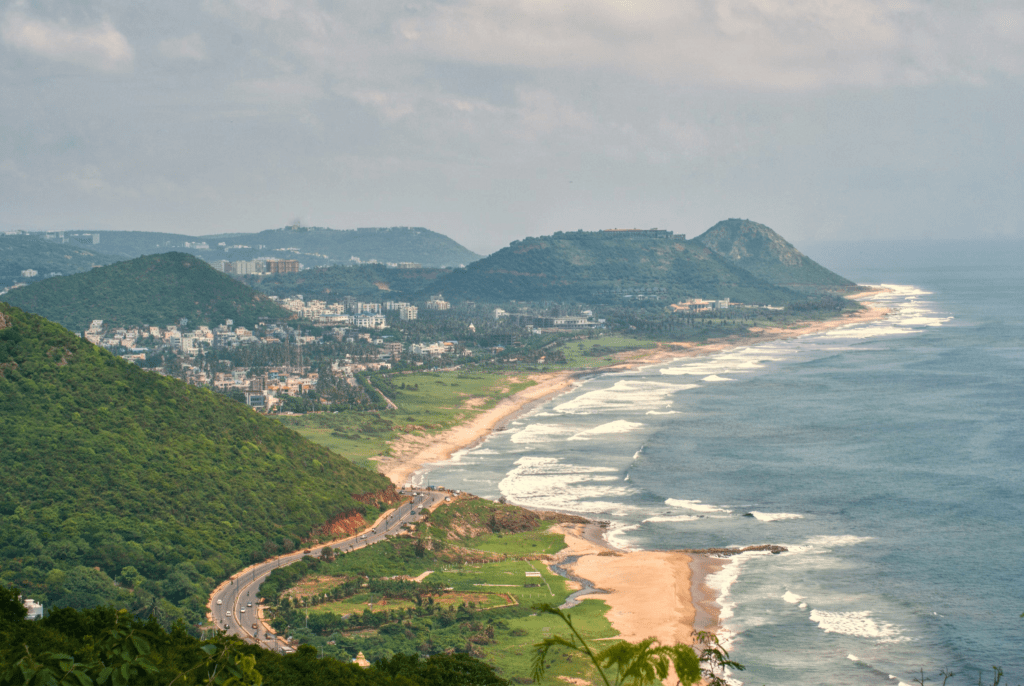
Vizag’s shoreline rarely behaves like a stage. While many coastal cities polish every boardwalk for the next postcard, this stretch of Andhra coast keeps the sand woven into ordinary life. Morning walkers claim space before sunrise. Students drift over after class. Vendors set up without ceremony, trusting routine rather than neon to draw attention. The beach feels less like a separate district and more like the city’s outdoor living room.
An evening stroll here resembles a break in a long conversation, the kind of easy pause people also find in casual diversions such as Tower Rush online, where engagement stays light yet satisfying. No one element shouts for applause; instead, small interactions accumulate until the shoreline feels alive in a quietly convincing way.
Everyday Rituals Replace Tourist Checklists
Many visitors notice something first: the coast hosts habits, not spectacles. A quick tea beside gently rusting railings, impromptu cricket on hard sand, children chasing waves while guardians exchange market gossip—these fragments build culture faster than any curated event. The sea breezes mix with traffic sounds, not orchestral soundtracks, and that mismatch somehow relaxes the scene further.
Small Habits That Shape Shoreline Life
- Pre-dawn footsteps – joggers and devotional walkers finish circuits before the sun turns sharp, leaving fresh prints for later crowds.
- Snack economics – roasted corn, mirchi bajji, and sliced fruit stay priced for locals, so wallets never decide who belongs.
- Shared benches – strangers shift wordlessly to make room; eye contact and a nod replace formal permission.
- Weather vocabulary – fishermen read cloud color instead of phone apps, predicting squalls with practiced glances.
Food That Stays Affordable and Familiar
Beach culture often unravels when menus chase trends, yet this coast clings to comfort. Steel tumblers clink as spicy buttermilk meets salt air. Paper cones of peanuts pass between friends during sunset talk. Cafés exist, but humble stalls still anchor taste memory. Because flavors feel honest, visitors absorb a sense of place instead of a marketing concept. The shoreline therefore resists turning exclusive; anyone with a modest coin purse finds dinner and dessert within fifty meters.
A Pace That Leaves Room for Silence
Noise never fully disappears—auto-rickshaw horns drift over the breakers—but the tempo softens. No giant screens blast pop hits, no choreographed fire dancers demand attention. Instead, the rhythm rests on walking speed, wind strength, and tide timing. Locals intuitively match steps to that pulse, allowing conversation gaps wide enough for wave hiss. This breathing space may be Vizag’s rarest commodity, especially when measured against busier resorts that fill every moment with scheduled thrill.
Civic Spaces That Feel Unfinished, in a Good Way
Concrete promenades show wear; paint fades faster than budgets refresh. Yet imperfections create room for adaptation. Volunteers plant saplings beside cracked pathways. Weekend cyclists claim underused service roads. Amateur photographers perch on weathered boundary stones. Because the infrastructure never freezes into glossy permanence, residents keep reshaping it. The result feels participatory rather than imposed, letting culture evolve organically.
Details First-Time Visitors Often Miss
- Tide-blessed vendors – carts retreat and return with the waterline, tracing daily economics few tour books note.
- Hybrid playlists – temple chants overlap with film songs from battery speakers, forming unofficial sound mosaics.
- Shadow games – children bend flashlight beams against sea mist, creating temporary art unseen at noon.
- Repaired nets – fishermen patch gear under streetlamps, turning maintenance into evening theater for passers-by.
Plenty of beaches offer softer sand or clearer water, yet many fade from memory once luggage zips shut. Vizag’s coast lingers because countless residents treat the shore as common property—protected instinctively, enjoyed regularly, criticized openly when litter appears. Tourists sense that ownership and adjust posture, stepping carefully, asking directions politely, learning snack names instead of brand slogans.
The result is atmosphere, not entertainment. Atmosphere survives economic cycles, outlasts trend waves, welcomes repetition. A visitor can return after months away and still find tea at the same cart, laughter under the same clump of palms, cricket stumps hammered into the same damp patch of sand. Familiarity does the heavy cultural lifting here.
Why the Difference Matters
In an era when many waterfronts chase uniform luxury, Vizag demonstrates another path: a living shoreline that values routine over spectacle, access over exclusivity, and slow time over constant novelty. Such an approach may never headline glossy travel magazines, yet it delivers something rarer—belonging that extends to anyone willing to match the local rhythm.
Sand shifts, kiosks relocate, and tides erase footprints nightly, yet the core feeling remains. The coast keeps serving as classroom, playground, marketplace, gym, and quiet corner, depending on hour and need. That flexibility, powered by ordinary gestures rather than grand designs, explains why Vizag’s beach culture reads differently from other coastal narratives. It feels less scripted because the authorship stays shared, sentence by sentence, wave by wave.
Thanks for the practical article. The points were helpful for readers comparing options and planning the next step. Ref zggfpp.