
Anyone juggling a demanding job and a long list of places to see knows the arithmetic of annual leave. Twenty-five days sounds generous until weddings, family visits and a few days of simple rest take their share. What’s left rarely stretches to the kind of slow, culture-rich journey that most travellers dream about.
That’s where weekend cruises are worth a second look. They squeeze a sailing into a long weekend, which means a couple of days off can buy a trip across the Channel to cities with centuries of history. For couples who want to explore without spending their entire allowance, the format offers a rare kind of efficiency.
The Annual Leave Puzzle
The standard approach to holiday planning treats a trip as a single big event. Save up, book a week or two, and make it count. The trouble is that big trips are hard to schedule around two diaries, and the pressure to make them perfect can take the joy out of them. Shorter breaks spread the pleasure more evenly across the year, and a weekend away takes far less negotiation than a fortnight in the sun.
Two Historic Ports Worth Knowing
Short sailings from the UK typically head for Northern Europe, where the ports are close and the heritage is deep. Bruges, reached from the nearby port of Zeebrugge, is a medieval trading city of canals, cobbled lanes and Gothic towers. Honfleur, a short journey from Le Havre, is a harbour town whose painted houses and wooden church have drawn artists since the nineteenth century. Both are compact enough to enjoy in a day, which is precisely what a short itinerary demands.
Planning Port Days Around Culture
A few hours ashore reward a little preparation. Choosing two or three priorities in advance, such as a museum, a market and one architectural landmark, prevents the day dissolving into aimless wandering. Opening hours matter, particularly on Sundays and public holidays, so a quick check before sailing is worthwhile. It also helps to note the all-aboard time and leave a comfortable margin, because the ship won’t wait for late returns.
Walking is the best way to see most of these ports. Distances are short, streets are atmospheric and there’s usually a cafe within reach when energy dips.

Food Worth Finding
Every port has its own culinary identity, and a short stop is enough to sample it. Belgian waffles, frites and chocolate are the obvious temptations in Flanders, while Normandy offers cider, creamy cheeses and fresh seafood by the harbour. Ordering a local specialty at a modest restaurant often delivers more flavour than any guidebook recommendation. Back on board, dining rooms usually offer regional dishes that echo the day’s destination, which makes for a pleasing end to a port visit.
Markets are the quickest route into a place’s food culture. A morning wander past cheese stalls, bakeries and fishmongers reveals what locals actually eat, and sampling a few small bites is often more rewarding than a formal sit-down lunch. It’s also a cheerful way to meet vendors, who are usually happy to explain what’s in season.
Pacing the Weekend
The danger of a short trip is trying to do everything. A sensible rhythm leaves one day for active sightseeing and another for onboard relaxation. Sea days are an underrated pleasure, offering time to read, write up notes or simply watch the horizon. Couples who treat the ship as part of the experience rather than just a way to reach the next port tend to come home more rested and more inspired.
Photography and Slow Looking
A short port visit rewards patience. Rather than racing between landmarks, spending an extra half hour in a single square or on a quiet canal bank often produces better pictures and better memories. Early morning and late afternoon give the softest light, and both are usually possible if the ship’s schedule allows a long day in port. Carrying a small notebook for observations adds another layer, capturing details that photographs miss, such as the sound of church bells or the smell of fresh bread drifting from a bakery.
Respect matters too. Asking before photographing people, following rules in religious buildings and supporting small local businesses all help travel feel more thoughtful.
Budgeting for Two
Shorter trips tend to cost less in total, which leaves room for treating the experience properly rather than scrimping. Couples can spend a little more on a window or balcony cabin, or choose a special meal ashore without the guilt of a stretched budget. It helps to decide in advance which experiences matter most, whether that’s a museum ticket, a canal tour or a long lunch, and to allocate funds accordingly. A modest amount of planning keeps spending intentional, and the trip feels generous rather than rushed.
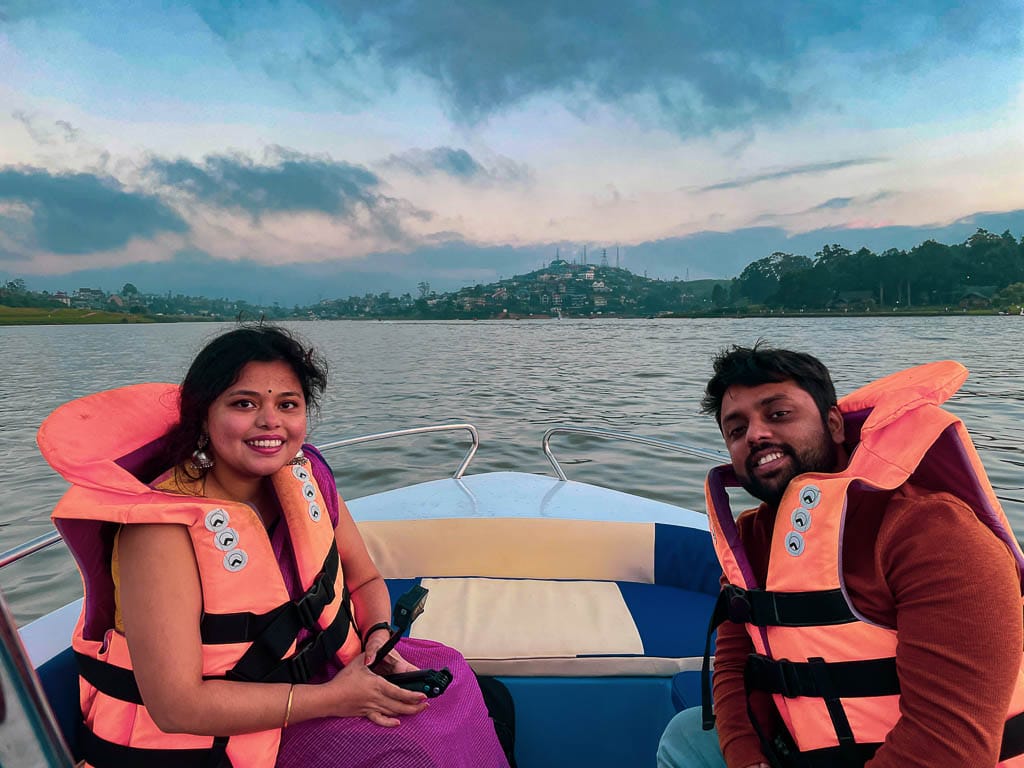
What Couples Can Expect
Expectations are worth setting honestly. A short voyage won’t deliver the deep immersion of a month-long journey, and it isn’t meant to. What it does offer is a taste, a glimpse of a place that may inspire a longer return trip. For those with limited leave and unlimited curiosity, that’s a worthwhile bargain. A few hours in Bruges can lead to a week there next time, and the ship becomes a stepping stone to deeper exploration.