Before you even board a plane, there is much to be done for an international vacation. The passport needs to be verified, leave needs to be taken care of, hotels need to be booked, and family members start planning the schedule. In the process, various documents start to accumulate in your phone, on the laptop, in emails and messaging applications, and online cloud storage.
Services like Visarun.ai have made this process of application submission simpler by offering the applicant to help with organizing documents, finding missing information, monitoring progress of the application, and faster submission of application forms. The greatest advantage of AI-powered service to Indian travelers is structuring their documents into the application.
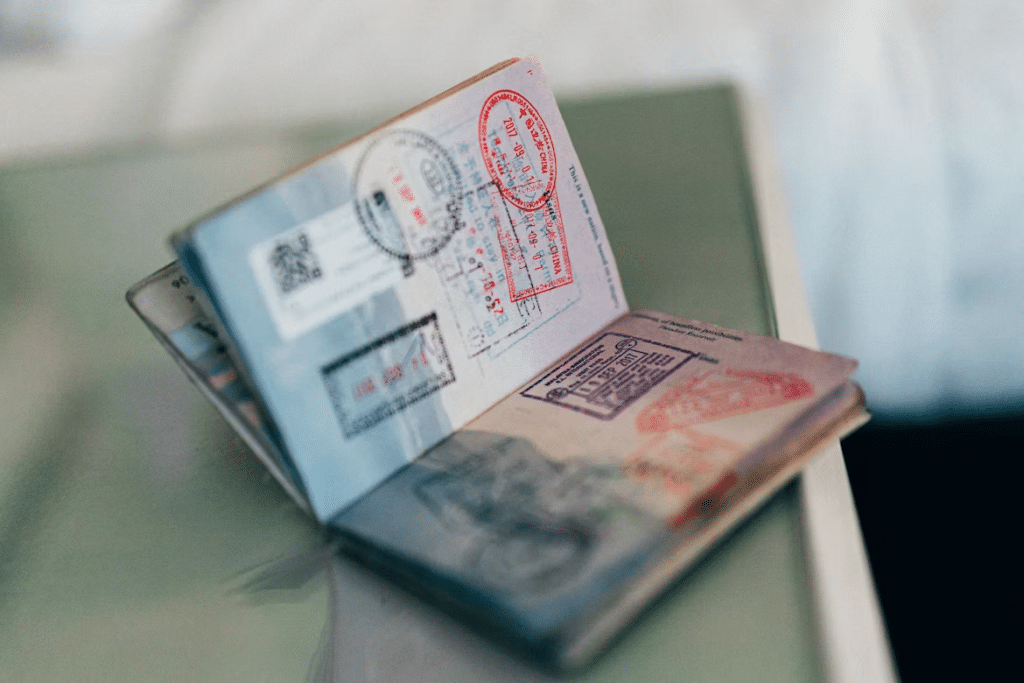
The Real Problem Is Often Document Confusion
Most travelers know that visa applications require paperwork. The less obvious challenge is that the paperwork often comes from many different sources.
A passport may contain one version of a name. A bank account may use initials. A job letter may contain a middle name that is not included in some other file. Hotel bookings can be saved as screen captures, but plane tickets can be hidden somewhere in the e-mail conversation. Some relatives may provide a passport scan via WhatsApp, which lowers the quality of the picture.
Everything looks correct individually, but problems will appear only when all files are examined at once.
It happens frequently in India, because names and addresses can be written in different styles. Some files might have the father’s name, some might have initials, some old address. Married candidates may have finances under a former last name. Self-employed tourists can have both personal and company bank accounts.
It does not always create serious issues, but can lead to some delays in preparing the application, and questions about this during the examination. Travelers spend lots of time looking into forms, re-naming files, asking for updated letters, and finding good copies.
AI systems can clear up everything by analyzing information in the uploaded files. It will compare names, dates, addresses, passports, and travel plans in the whole application, and not just treat files separately.
Building One Clear Story From Many Files
The Visa application process is not just about submitting some documents. It is telling a story about the individual applying for the visa, what he or she is doing, where the money is coming from, and why they should go back.
Every part of the application should support that story.
A ten-day holiday should have accommodation for the correct dates. Flight reservations should match the itinerary. Bank statements should show that the trip is financially realistic. Employment documents should explain the applicant’s role and approved leave. A sponsor letter should clearly connect the sponsor to the traveler.
When documents come from different people and organizations, small gaps are easy to overlook. AI can help find these gaps before submission.
It may detect that:
- The hotel booking ends two days before the return flight
- The passport expires too soon after the planned trip
- The cover letter mentions dates that differ from the application form
- A bank statement is missing one month
- A scan is too dark or cropped
- A family member’s surname appears differently across documents
- A sponsorship letter lacks supporting financial evidence
This type of review can be useful even for experienced travelers. Visa rules change, and requirements differ by destination. A document accepted for one country may need a different format for another.
It is not meant to be perfectly packaged. It is intended to be precise, full, and cohesive.
Family Applications Create Extra Pressure
Applying for one traveler can be time-consuming. Applying for parents, children, or an entire family introduces another layer of difficulty.
There can be many different kinds of documents needed for a family visa application including birth certificates, marriage certificates, school letters, employment documentation, bank statements, sponsorship papers, and multiple passports. Each individual might have their own form, photograph, appointment, and set of documents.
The same details must remain consistent across every application. Travel dates should match. Hotel bookings should list the correct guests. Children should be linked to the right parents. Financial sponsorship should be explained clearly. Contact details and home addresses should remain the same throughout the group.
This process often becomes one person’s responsibility. That person may need to collect documents from several family members, check their quality, complete forms, and remember which file belongs to whom.
AI-powered visa platforms can organize group applications by traveler while also checking shared information across the whole family. A dashboard can show which passport is missing, whose photograph needs to be replaced, and which form still requires attention.
A simple family application flow may look like this:
- Create a profile for each traveler
- Upload passports and identity documents
- Add shared travel details
- Assign financial and supporting documents
- Review inconsistencies across applications
- Complete missing steps
- Track every application from one place
This structure can remove much of the mental pressure. It also lowers the risk of submitting the wrong document under the wrong applicant.
Transparency Matters After Submission
The waiting phase may be even more stressful than preparation.
Once the biometrics and documentation have been provided, travelers often see short status notifications with no further explanation. Their case can be under review, passed on to the embassy, sent back to the visa office, or awaiting further checks. Travelers might check the progress page again and again without knowing whether things are going as usual.
With AI-based platforms, it would become much easier to transform technical information into layman’s terms. They could show what has already happened, what might happen, and whether something needs to be done.
It wouldn’t give any power to the platform regarding the decision of the embassy. It would give the traveler more knowledge about the process.
It becomes even more vital if the trip, hotel reservations, work vacation, or family occasions are tied up with the visa status update. The applicant must know whether he or she needs to wait, submit some additional document, attend an interview, or contact the corresponding visa center.
Also, clear progress reports help eliminate panic among applicants. A delay in status notification is not necessarily connected with some problem. It helps the applicant realize what stage of his or her application is now.
Visa Preparation Is Becoming Part of Travel Technology
Travel technology has revolutionized the way people have made flight bookings, hotel choices, translated signs, money management, and navigation in foreign lands. The preparation of visa applications is now also set to become a part of the digital travel system.
The most beneficial AI-based programs are those which can actually be used for practical purposes. These include file organization, document checking, spotting errors, explaining requirements, and keeping applicants updated.
It is even more beneficial for Indians who are traveling increasingly internationally from various backgrounds, whether as families, students, professionals, or first-time travelers. There are many applicants who are quite confident about booking their whole journey online but find the visa process to be quite archaic.
With the introduction of AI, this gap is being narrowed. The process becomes simpler when there is a well-organized documentation, errors are identified beforehand, and each step is clearly visible in one place.
The visa application process will always involve rigorous preparation; however, it can become much simpler and less daunting with better digital assistance.